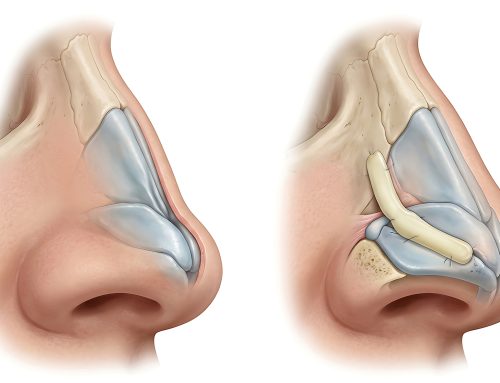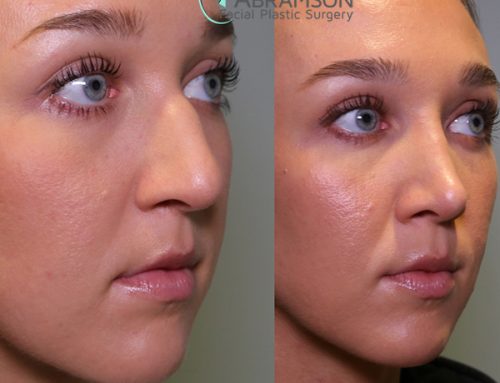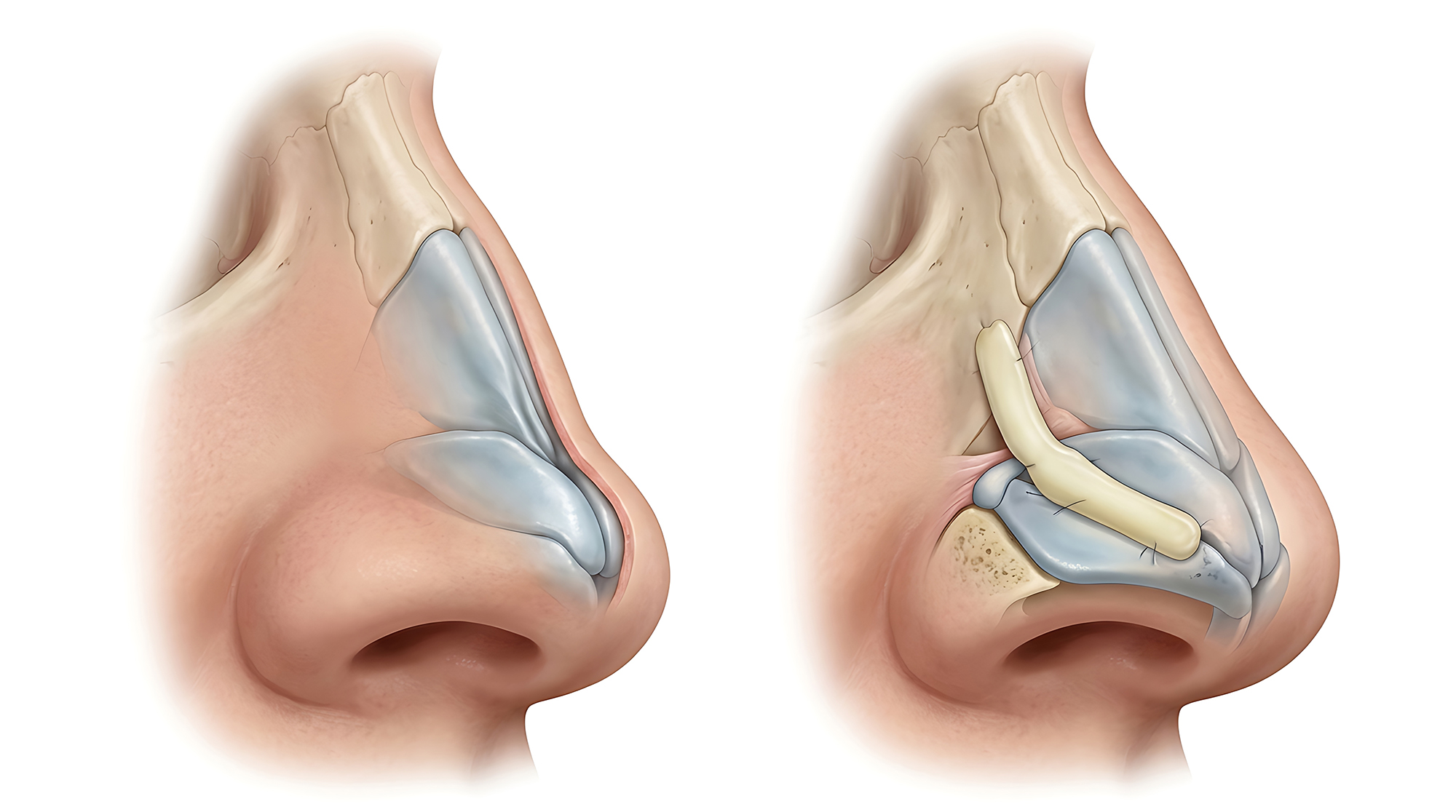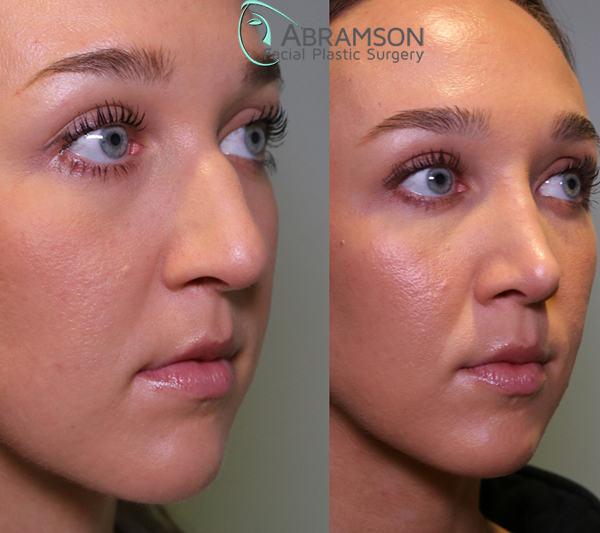
Rhinoplasty is one of the most commonly performed facial plastic surgery procedures and is generally very safe when performed by an experienced double board certified facial plastic surgeon such as Peter J. Abramson, M.D.. However, like all surgical procedures, rhinoplasty carries potential risks and complications that patients should understand before surgery.
Common Temporary Side Effects
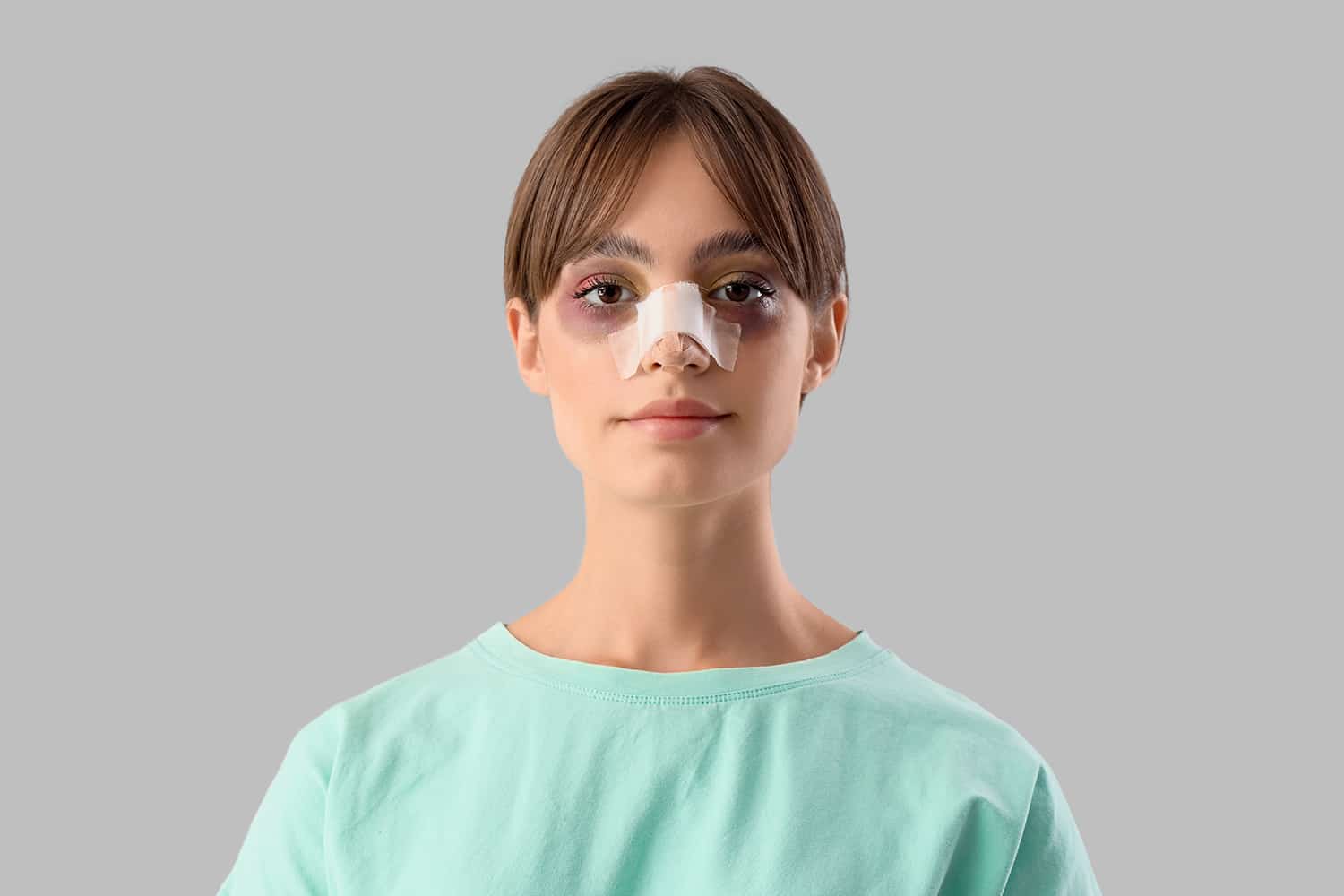
Most patients experience mild and temporary symptoms during the normal healing process, including:
- Swelling of the nose and surrounding tissues
- Bruising around the eyes
- Nasal congestion or stuffiness
- Mild discomfort or tenderness
- Temporary numbness around the nose
- Minor bleeding or drainage
These effects typically improve significantly within the first few weeks after surgery.
Potential Complications of Rhinoplasty
Although uncommon, complications can occur after rhinoplasty surgery. Possible risks include:
Infection
Infections are rare but may occur after surgery. Antibiotics are often prescribed to reduce this risk.
Bleeding
Some bleeding is normal immediately after surgery, but excessive bleeding may require medical attention.
Difficulty Breathing
Swelling or structural changes inside the nose can occasionally affect airflow and breathing.
Scarring
Closed rhinoplasty usually leaves no visible external scar, while open rhinoplasty may leave a small scar on the columella (the tissue between the nostrils). In most cases, scars heal very well.
Asymmetry or Cosmetic Dissatisfaction
Healing patterns vary from patient to patient. Small irregularities, asymmetry, or dissatisfaction with the cosmetic outcome may occur and sometimes require revision surgery.
Prolonged Swelling
While much of the swelling improves within weeks, subtle swelling can persist for up to a year or longer, particularly in the nasal tip.
Septal Perforation
A small hole may develop in the nasal septum, which can cause crusting, bleeding, or breathing difficulties.
Skin Discoloration or Irregularities
Some patients may experience temporary redness, uneven skin texture, or contour irregularities.
Anesthesia Risks
As with any surgical procedure requiring anesthesia, there are small risks related to medications, breathing, or allergic reactions.
Revision Rhinoplasty
In some cases, patients may require a secondary or revision rhinoplasty to correct functional or cosmetic concerns after the initial procedure. Choosing a highly experienced facial plastic surgeon can significantly reduce this risk.
Choosing an Experienced Rhinoplasty Surgeon
One of the best ways to minimize complications is selecting a qualified and experienced rhinoplasty specialist. Careful surgical planning, realistic expectations, and proper post-operative care all play an important role in achieving successful results.
Patients considering rhinoplasty should schedule a thorough consultation with Peter J. Abramson, M.D. to discuss goals, medical history, surgical options, and potential risks before proceeding with surgery.
Peter J. Abramson, M.D., is double board certified by the American Board of Otolaryngology and the American Board of Facial Plastic and Reconstructive Surgery. He works closely with patients of all ages to provide the expert cosmetic surgery and facial rejuvenation his clients want and deserve. He feels that by helping patients feel good about themselves, he helps improve their quality of life. He also believes that establishing a trusting relationship from the initial consultation on ensures better communication and better results.
In the video below, Dr. Abramson explains in detail about rhinoplasty complications that could occur.
Rhinoplasty has many times been referred to as one of the most complex and difficult plastic surgery procedures. From my background in head and neck, and ear, nose and throat surgery, I have a unique advantage of knowing the insides, as well as the outsides, of the nose. In particular, I focus on the internal aspects of the nose where there are many different portions of, and anatomical structures that are important to evaluate and make sure that they are working together in order for the patient to breathe well after surgery.
The septum is one of the most important parts of the inside of the nose. If you think of it as the divider, or the wall between both sides of the nose, that is almost never perfectly straight in any patient, but in many patients it is so deflected or deviated that the airway problems that it creates necessitate there being a procedure to help straighten that out. Even after previous surgeries sometimes, those can be the most challenging as if there’s residual deflection of the septum and continued nasal obstruction, then that also necessitates what we would call a Revision Septoplasty.
There are also structures inside the nose call turbinates. These are structures that look like shingles hanging from the side of the nose. The inferior turbinates are the ones that have quite a bit of function in terms of warming the air, cleaning the air, as well as essentially getting it ready for the lower airway as you breath in. These sometimes become enlarged, in fact sometimes so enlarged that they actually create more obstruction and they’ll need to be reduced. There are many ways to do this and I use one where I hopefully will have the patient postoperatively with minimal recovery, maximal airway, and little to no complications.
Abramson Facial Plastic Surgery looks forward to meeting your needs and to answer any questions that you may have.